
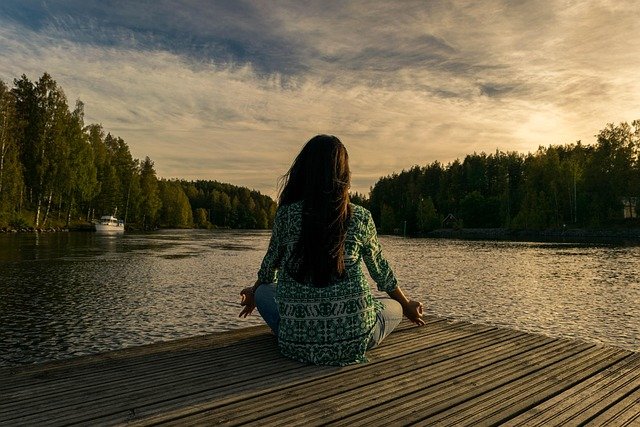
Ask anyone who books travel for a living what’s changed in the last year or two, and “glow-cation” comes up fast. It’s 2026’s answer to the workation and the digital detox retreat — except instead of escaping your inbox, the point is escaping dull skin, disrupted sleep, and the general wear of daily life, with something to show for it by the time you land back home.
If you haven’t heard the term, you’re about to — it’s shown up in major travel platforms’ trend reports, national travel media, and a fast-growing list of resorts and clinics repositioning themselves specifically around it. Here’s what it actually means, how it’s different from the wellness retreats that came before it, and what’s worth knowing before you book one.
What Is a Glow-cation, Exactly?
A glow-cation is a trip built around visible, physical results for your skin — not just relaxation as the end goal, but facials, dermatology-adjacent treatments, thermal waters, and skincare rituals as the actual itinerary. Where a classic wellness retreat might center on yoga, meditation, and unplugging, a glow-cation is more concrete and more personal: book a K-beauty facial in Seoul, soak in a Budapest thermal bath, or spend a week in Bali built around daily spa treatments, and you’re doing it.
The distinction matters because it changes what you’re actually booking. A wellness retreat is usually a structured program at a single property — set schedule, set meals, a philosophy behind the whole week. A glow-cation can be that, but it can just as easily be a few beauty-focused bookings layered into an otherwise normal city trip: a dermatologist consultation one afternoon, a traditional bathhouse the next evening, skincare shopping worked in between the usual sightseeing.
💡 Pro Tip
You don’t have to choose one or the other. Plenty of travelers are booking a few days of structured retreat-style wellness bookended by a more normal city trip — the retreat for the reset, the city days for the facials, shopping, and food.
Why This Is Having a Moment
A few things are converging at once. Korean skincare’s influence has spent years building toward this — the idea of skin as something you invest in deliberately, not just react to, has gone from a niche interest to a mainstream one. Social platforms reward visible before/after results in a way that a vague “I feel so relaxed” retreat post never quite could. And there’s a broader shift happening in travel generally, away from ticking off sights and toward trips that are supposed to change something about how you feel, or look, by the time you’re home.
There’s also a simple economic logic to it for travelers: a lot of skincare and dermatology-adjacent treatments cost meaningfully less abroad — particularly in South Korea — than comparable options at home, even after factoring in the flight. That combination of “this trip pays for part of itself in treatment savings” and “I’ll have visibly better skin” is a compelling pitch, and it’s clearly working.
Where People Are Actually Booking These
- Seoul, South Korea — the undisputed capital of the trend. Dermatology-adjacent clinics (many with English-speaking staff) offering facials, micro-needling, and personalized skincare consultations sit alongside traditional jjimjilbang bathhouses and the Myeongdong district for skincare shopping. It’s the destination where “glow-cation” most literally describes the trip.
- Bangkok, Thailand — a hub for a wider, more playful range of beauty treatments, from traditional Thai herbal compress therapy to more novelty-driven spa experiences, generally at accessible price points.
- Bali, Indonesia — leans more toward the retreat side of the spectrum: multi-day spa and wellness stays, often paired with yoga, in a slower, more resort-centered setting than Seoul’s clinic-and-city-trip model.
- Budapest, Hungary — built around its historic thermal bath culture, a genuinely different (and much older) tradition than the skincare-clinic model, and a strong pick for travelers who want the “glow” from mineral-rich water rather than a treatment room.
- Japan — onsen (hot spring) culture offers a similarly water-based, tradition-rooted version of the trend, often paired with the broader “longevity travel” interest in destinations like Okinawa.
- Iceland — geothermal waters (the Blue Lagoon being the best-known example) give this a Nordic, landscape-driven spin, usually layered into a wider Iceland itinerary rather than being the whole trip.
🏨 Where to Stay
For a Seoul-style clinic-and-city glow-cation, book centrally — Myeongdong or Gangnam put you walking distance from clinics and skincare shopping. For a Bali or Thailand retreat-style trip, the resort itself usually is the itinerary, so the property matters more than the neighborhood.
Browse Spa & Wellness Retreat Stays
Filter by treatment type, length of stay, and guest rating
What to Actually Consider Before Booking
This is the part that’s easy to skip past in a trend piece, so it’s worth being direct about it: some of what falls under the glow-cation umbrella is genuinely medical or medical-adjacent — dermatology treatments, injectables, laser procedures, micro-needling — not just spa pampering, and it’s worth treating it with the same care you’d apply to any medical decision, not just a booking decision.
💡 Pro Tip
Before booking anything more involved than a standard facial or massage, research the specific clinic’s credentials and read recent, specific reviews — not just star ratings. If a treatment has downtime (redness, peeling, swelling), find out how long, and don’t schedule it right before a long flight; cabin pressure, dry air, and sun exposure during a stopover can all complicate healing.
A few other practical things worth checking before you book:
- Language and consultation quality — a good clinic will do a real consultation, not just sell you the treatment you asked for. If a place skips that step, treat it as a red flag regardless of how good the reviews look.
- What’s actually included — some retreat packages bundle treatments into the nightly rate; others charge per treatment on top of accommodation. Get a clear breakdown before you book, not after you arrive.
- Realistic expectations — a single facial or thermal soak will make you look rested; it won’t replicate the results of a sustained skincare routine or a genuine medical procedure. The trend’s marketing leans hard into “transformation,” and it’s worth mentally discounting that somewhat.
Sample Budget
💰 Rough Cost Ranges
Seoul clinic-and-city trip (5–7 days, flights + hotel + several treatments): varies widely by home country, but treatments themselves are often notably cheaper than comparable options in the US, UK, or Australia · Bali or Thailand spa-retreat trip (5–7 days, resort-inclusive): a genuinely wide range depending on property tier, from budget-friendly wellness guesthouses to high-end resort packages · Day-trip additions (a single thermal bath entry, one facial, one bathhouse visit) are almost always the cheapest way to try the trend without committing a whole itinerary to it
Frequently Asked Questions
Is a glow-cation the same as medical tourism? Not exactly, though they overlap. Medical tourism typically refers to travelling specifically for a defined medical or surgical procedure. A glow-cation is a broader, softer category that includes everything from a basic facial to more involved dermatology treatments — the more involved end of that spectrum does start to shade into medical tourism, and deserves the same due diligence.
Do I need to speak the local language to book treatments abroad? In major glow-cation hubs like Seoul, no — many clinics and spas catering to international visitors have English-speaking staff specifically because of this trend. It’s still worth confirming before you book anything more involved than a standard spa treatment.
What’s the difference between a glow-cation and a regular spa day at home? Mostly scale, tradition, and cost. A glow-cation usually means multiple treatments over several days, often in a place with a genuine cultural tradition behind the practice (onsen in Japan, thermal baths in Budapest, K-beauty clinics in Seoul) rather than a single afternoon booking, and in places like Korea, often at a lower cost than equivalent treatments at home.
Can I combine a glow-cation with a normal sightseeing trip? Yes, easily — this is actually the more common approach outside of dedicated retreat destinations like Bali. A few clinic or spa bookings layered into a normal city itinerary is a lighter-weight way to try the trend without restructuring the whole trip around it.
If a retreat-style trip is calling to you, our guide to booking flights and hotels on a budget covers the price-tracking approach worth using here too — wellness resort rates swing seasonally just as much as regular hotel rates do.