
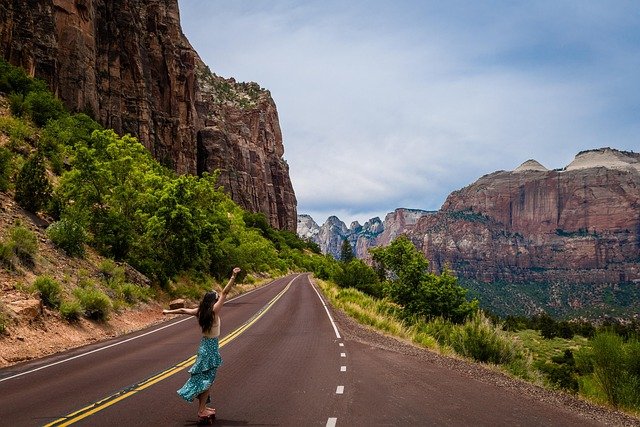
If you’ve noticed “solo travel” showing up more than usual — in your search history, your feed, your friend’s sudden trip to Portugal alone — that’s not a coincidence. Search interest in solo travel hit an all-time high in 2026, according to Google’s own travel trends data, and searches specifically for women traveling solo reached a 15-year high. The global solo travel market, valued at roughly $550 billion, is now growing at close to double the rate of travel overall.
This isn’t a niche interest anymore. It’s the most-searched shift happening in travel right now, so here’s an actual guide to it — not just why it’s trending, but how to plan a solo trip well, where to start if it’s your first one, and the specific things worth knowing if you’re a woman traveling alone, since that’s a large and fast-growing share of who’s doing this.
Why Solo Travel Is Surging Right Now
A few things are converging. Remote and flexible work has made it genuinely easier to travel on your own schedule rather than coordinating everyone else’s. Social media has normalized it — a decade ago, travel content was overwhelmingly couples and groups; now solo travel content is a category of its own, with the hashtag racking up billions of views. And there’s a values shift underneath both of those: a lot of the growth is explicitly described by travelers as wanting to see the world without waiting for anyone else’s schedule or budget to line up with theirs.
The more interesting nuance in the data is this: at the exact same time solo travel searches hit record highs, so did searches for “travel groups” and “tour groups.” That’s not a contradiction — it’s the actual shape of the trend. People aren’t searching for solo travel because they want to be alone; they’re searching for it because they want independence and the option of connection, on their own terms, rather than being locked into one or the other.
💡 Pro Tip
If the idea of solo travel appeals to you but full isolation doesn’t, you don’t have to choose. Booking a few group day tours or a multi-day small-group trip within an otherwise independent itinerary is one of the most common patterns among solo travelers right now — total control over your schedule, with built-in social moments when you want them.
Who’s Actually Doing This
The data breaks a few assumptions people have about who travels solo. Women make up a clear majority of solo travelers globally — most industry surveys put it well above half, some considerably higher. It also isn’t just a young person’s gap-year activity: a meaningful share of solo travelers are 40 or older, and the average age across all solo travelers (not just hostel-staying backpackers) skews notably older than the stereotype suggests. Solo travel is genuinely cutting across age groups, not concentrated in one.
Best Destinations for a First Solo Trip
The destinations that consistently show up on “best for solo travel” lists tend to share a few traits: easy to navigate without a car or fluent local language, safe enough to walk around at a reasonable hour, and set up with a food and cafe culture that makes eating alone feel normal rather than conspicuous.
- Japan — exceptionally safe, extremely easy public transport, and a cafe/counter-dining culture where solo diners are completely unremarkable. Consistently one of the top-recommended first solo destinations for exactly these reasons.
- Portugal — walkable cities, a strong hostel and coliving scene aimed specifically at solo and remote-work travelers, and English is widely spoken in tourist areas.
- New Zealand — English-speaking, very safe, and its hostel network and backpacker bus routes are genuinely built around solo travelers meeting each other.
- Iceland — small enough to self-drive confidently, very low crime, and a well-worn Ring Road route that solo travelers do constantly.
🏨 Where to Stay Solo
Hostels with private rooms (not just dorms) give you the social common areas without sacrificing your own space at night — a strong middle ground for solo travelers who want both independence and easy ways to meet people.
Solo Female Travel: What’s Actually Different
Since women make up such a large share of solo travelers, and “women solo travel” searches specifically hit a 15-year high, it’s worth addressing directly rather than folding it into generic advice.
- Destination research matters more. Spend time specifically on how a destination treats solo women — local dress norms, how comfortable it is to eat alone in the evening, and whether harassment is a common complaint in recent traveler reviews, not just older ones.
- Accommodation choice is a real safety lever, not just a comfort one — well-reviewed, centrally located places with 24-hour front desks and secure entry consistently come up as worth the extra cost for solo women specifically.
- Trust pattern-matching over politeness. If a situation or person feels off, act on that instinct immediately rather than talking yourself out of it to avoid seeming rude — this shows up repeatedly in solo female travel safety guidance from very different sources.
- Share your itinerary and check in regularly with someone at home — a simple habit that costs nothing and meaningfully reduces risk if something does go wrong.
How to Meet People Without Giving Up Independence
This is the part the “solo but not lonely” search pattern is really about.
- Hostels with active common areas remain one of the most reliable ways to end up in a group dinner or day trip within hours of arriving somewhere new, even if you’re not staying in a dorm.
- Group day tours and small-group multi-day trips let you keep your overall itinerary independent while guaranteeing social contact on the days you want it — book these for the parts of a trip where you specifically want company, and stay flexible everywhere else.
- Walking tours, especially free or pay-what-you-want ones, are a low-commitment way to meet other travelers in the first few hours in a new city.
- Apps built specifically for travelers (rather than general social apps) have grown alongside the broader solo travel trend, matching people by destination and dates rather than just proximity.
Small-Group Day Tours & Experiences
Keep your itinerary independent, add company exactly when you want it
Budgeting for Solo Travel
The single biggest budget difference between solo and group travel is the “single supplement” — many hotel rooms and some tours are priced per room or per booking, not strictly per person, which means a solo traveler often pays close to the same as a couple would for the same room. <div class=”callout callout–cost”> <p class=”callout__label”>💰 How to Minimize the Solo Premium</p> <p>Hostels with private rooms sidestep the per-room pricing problem entirely. Some tour operators now offer solo-traveler-friendly pricing or roommate-matching specifically to avoid the supplement. Booking accommodation with a kitchen (an aparthotel or hostel with cooking facilities) also cuts food costs meaningfully, since solo diners can’t split a group meal the way couples or friends do.</p> </div>
Basic Safety Habits Worth Building In
- Share your rough itinerary and accommodation details with at least one person at home before you go, and update them if plans change significantly.
- Keep a digital and physical copy of your important documents (passport photo page, ID, travel insurance details) stored separately from the originals.
- Research the specific neighborhood you’re staying in, not just the city generally — safety can vary block to block in a way general destination advice doesn’t capture.
- Trust your instincts over social pressure to be polite — this is the single most consistently repeated piece of advice across virtually every solo travel safety resource, for a reason.
Frequently Asked Questions
Is solo travel actually safe? For the large majority of solo trips, to the large majority of well-traveled destinations, yes — millions of people do it every year without incident, and the sheer growth of the solo travel market reflects a lot of positive, repeat experiences, not risk tolerance alone. That said, “safe” varies significantly by specific destination and by traveler, so destination-specific research remains genuinely worth doing rather than treating “solo travel” as a single risk category.
Is solo travel more expensive than traveling with others? It can be, mainly due to single-supplement pricing on hotels and some tours, but it doesn’t have to be dramatically so — hostels with private rooms, aparthotels, and solo-friendly tour pricing all reduce or eliminate the gap.
How do I deal with loneliness while traveling alone? It’s a real and commonly reported concern, which is part of why “travel groups” and “tour groups” searches have grown alongside solo travel searches rather than shrinking. Booking a few group day tours or staying in social hostels for part of a trip — while keeping the rest of the itinerary independent — is the most common solution travelers land on.
What’s the best first solo trip for someone who’s never done it? A destination that’s easy to navigate, has a strong existing solo/backpacker infrastructure, and where you’re not managing a new language on top of everything else — Japan, Portugal, and New Zealand consistently top these lists for exactly those reasons.
Once you’ve picked a destination, our guide to booking flights and hotels on a budget covers the price-tracking strategy worth using for solo trips too — and if Japan is on your list, it’s a great first stop for exactly the reasons covered above.