
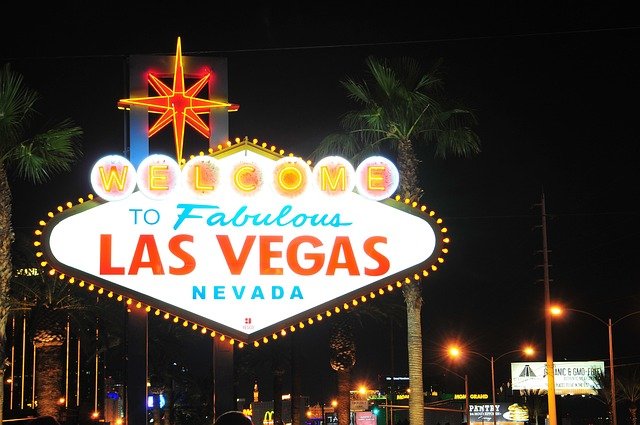
Las Vegas has a way of rewriting your expectations the moment you land. You come in thinking you know the script — casinos, buffets, a few overpriced cocktails — and you leave realizing the city has quietly become one of the most eclectic entertainment destinations in the country. Between the neon nostalgia of Fremont Street and the outdoor red rock canyons twenty minutes from the Strip, Vegas is equal parts spectacle and surprise. Get your travel backpack ready!
Here’s a practical, no-fluff guide to help you plan a trip that goes beyond the slot machines.
Things to Do in Las Vegas
1. Walk the Strip at Night, Not During the Day
The Strip transforms after sunset. The Bellagio fountains sync to music every 15–30 minutes, the Venetian’s painted skies glow against gondola canals, and the sheer scale of the LED signage becomes genuinely photogenic once the desert heat backs off. Budget at least two hours just for walking — the distances between resorts are longer than they look on a map.
2. Catch a Show That Isn’t What You Expect
Skip the obvious headliner circuit and look into a Cirque du Soleil residency or an intimate lounge act at a smaller venue like the Smith Center. Vegas residencies rotate constantly, so it’s worth checking listings a few weeks before your trip rather than assuming a show from two years ago is still running.
3. Explore Fremont Street and Downtown Vegas
Downtown feels like a different city entirely — older casinos, a covered light canopy overhead, and a rougher, more local energy than the Strip’s polish. The zip line running above the crowd is a fun five-minute detour, and the bars here tend to be cheaper and less touristy.
4. Day Trip to Red Rock Canyon or Valley of Fire
Vegas sits in a genuinely striking desert landscape, and most visitors never leave the casino floor long enough to notice. Red Rock Canyon has a 13-mile scenic loop drive with short hiking trails branching off it, and Valley of Fire State Park (about an hour northeast) has some of the most dramatic red sandstone formations in Nevada. Both are easy half-day trips if you have a car.
5. Visit a Rooftop or Speakeasy Bar
Vegas nightlife isn’t only nightclubs. Hidden speakeasies (often tucked behind unmarked doors or vintage phone booths) and rooftop lounges with Strip views offer a quieter, more atmospheric alternative to the mega-clubs, and they’re usually easier on the wallet too.
6. Try a Food Hall Instead of a Buffet
Buffets still exist, but Vegas’s food scene has shifted toward curated food halls featuring smaller, chef-driven stalls — a better way to sample multiple cuisines without the volume-over-quality problem buffets can have.
7. See the Sphere
The Sphere is arguably the most talked-about addition to Vegas in years — a massive spherical venue wrapped in LED screens, hosting immersive concerts and films you genuinely can’t replicate anywhere else. Even walking past it at night is worth the detour.
8. Get Outside the Casino Bubble
Consider the High Roller observation wheel for skyline views, an indoor skydiving session, or a short helicopter tour over the Strip or Grand Canyon. These break up the indoor, air-conditioned monotony that can creep into a multi-day Vegas trip.
Where to Stay: Hotel Suggestions by Vibe
For first-timers who want the classic experience: Look at resorts centrally located on the Strip, ideally between Bellagio and Caesars Palace — this stretch keeps you within walking distance of the fountains, major shows, and a dense cluster of restaurants, cutting down on rideshare costs.
For a quieter, more upscale stay: Resorts set slightly off the main Strip corridor tend to offer larger rooms and a calmer atmosphere while still being a short drive or rideshare from the action — a good option if you want to gamble and party without living inside the noise.
For budget travelers: Downtown Vegas hotels are typically 30–50% cheaper than comparable Strip properties, and Fremont Street’s walkability means you don’t lose much in convenience. Book Hotels in Las Vegas
For a non-gambling, resort-style stay: A few Vegas properties lean into pools, spas, and dining over casino floors — worth seeking out if the 24-hour ding of slot machines isn’t your thing.
A general rule: book directly through the hotel or a reputable comparison site, and always check what’s included — resort fees in Vegas are notoriously separate from the room rate and can add $30–50+ per night.
Car Rentals: Do You Even Need One?
If you’re staying entirely on the Strip, you probably don’t. Rideshare, the monorail, and walking cover most of what you’ll need, and Strip traffic plus expensive resort parking fees can make a rental car more hassle than it’s worth.
You’ll want a car if you’re planning to:
- Visit Red Rock Canyon, Valley of Fire, or the Hoover Dam
- Day-trip to the Grand Canyon (roughly a 4–5 hour drive to the West or South Rim)
- Stay somewhere off the Strip without easy rideshare access
- Explore at your own pace without waiting on surge pricing
Tips for renting a car in Vegas:
- Book in advance — prices climb fast during conventions, holidays, and major events like F1 or major boxing weekends.
- Compare airport rental counters against off-airport locations a few miles out; off-airport lots often skip the airport concession fee and can be noticeably cheaper.
- Double-check whether your hotel charges for self-parking or valet — some Strip resorts still charge daily parking fees even for guests.
- If you only need a car for one or two day trips, consider renting for just those days rather than your whole stay, and using rideshare the rest of the time.
Quick Planning Tips
- Best time to visit: Spring (March–May) and fall (September–November) offer milder desert temperatures than the brutal summer heat.
- Getting around the Strip: The monorail and rideshare cover most Strip-to-Strip trips faster than walking during peak hours.
- Budget for resort fees: Factor them into your nightly rate comparison — they’re rarely optional.
Vegas rewards a little planning. Book your shows early, pick a hotel base that matches how you actually want to spend your time, and decide on transportation before you land rather than scrambling once you’re there. Do that, and the city stops feeling like a tourist trap and starts feeling like one of the more genuinely fun, varied trips you can take in the U.S.